


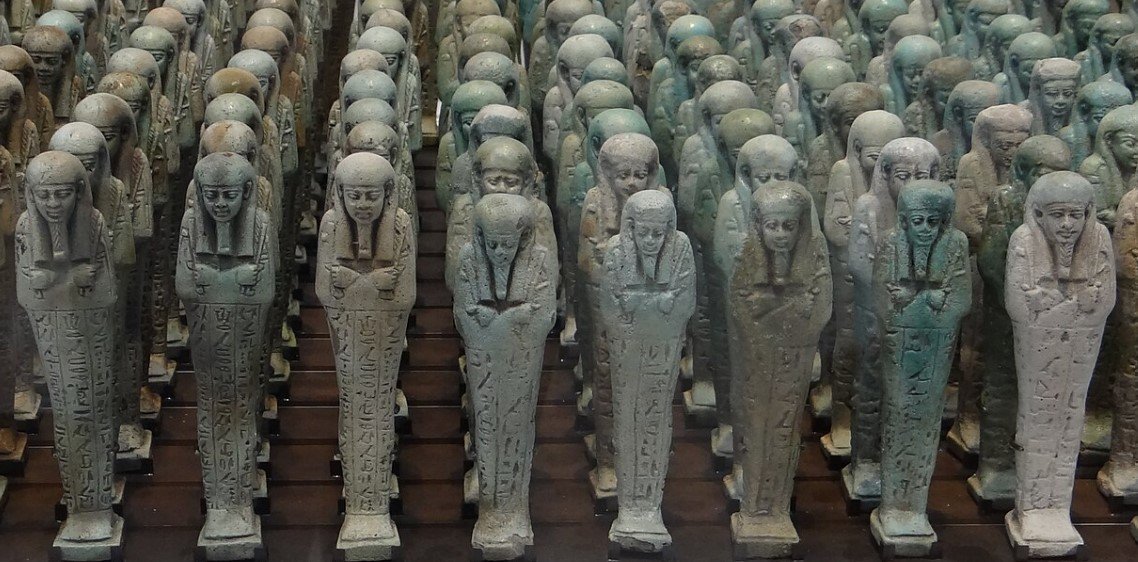
During the last decades of the 19th century, the study of ancient Egypt underwent a profound transformation thanks to new archaeological campaigns and a growing concern for the preservation of historical heritage. In this context, figures such as the French Egyptologist Gaston Maspero and the Italian archaeologist Alessandro Barsanti stood out, whose work in Saqqara made it possible to document numerous discoveries, including the small funerary statuettes known as ushebtis.
The Birth of Modern Egyptology
The development of Egyptology as a scientific discipline was closely linked to the major excavations carried out in Egypt from the second half of the 19th century onwards. During these years, more systematic methods of documentation, cataloguing and conservation of objects found in archaeological sites began to be established.
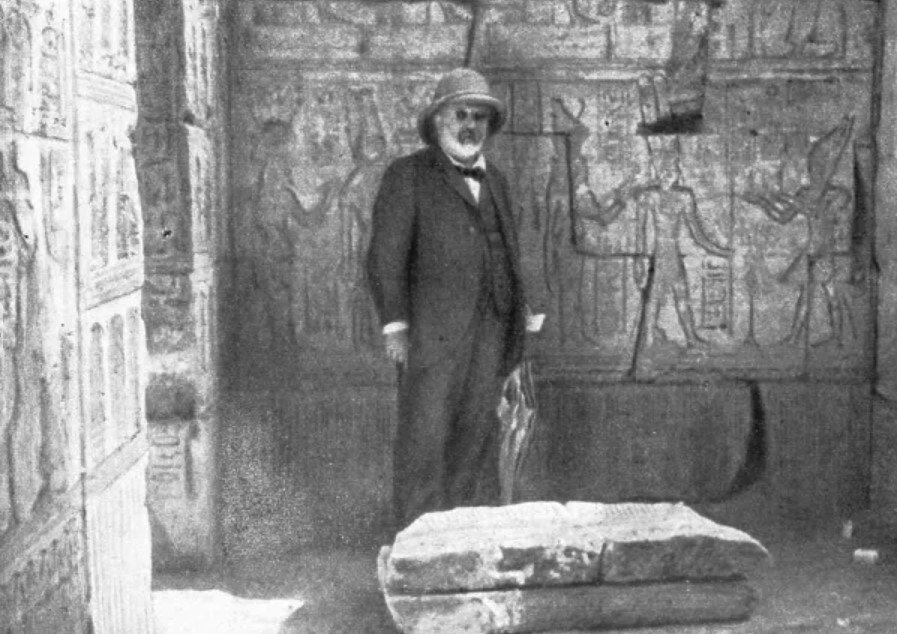
Una de las figuras centrales de este proceso fue el egiptólogo francés Gaston Maspero (1846–1916). Como One of the central figures in this process was the French Egyptologist Gaston Maspero. As director of the Egyptian Antiquities Service and the Egyptian Museum in Cairo, Maspero played a fundamental role in the organization of excavations and in the protection of numerous archaeological sites. During his tenure, one of the most famous discoveries in Egyptology took place: the cache of royal mummies at Deir el-Bahari, which made it possible to preserve the remains of such important pharaohs as Seqenenra Taa, Seti I, or Ramesses II.
Alessandro Barsanti and the Preservation of Monuments
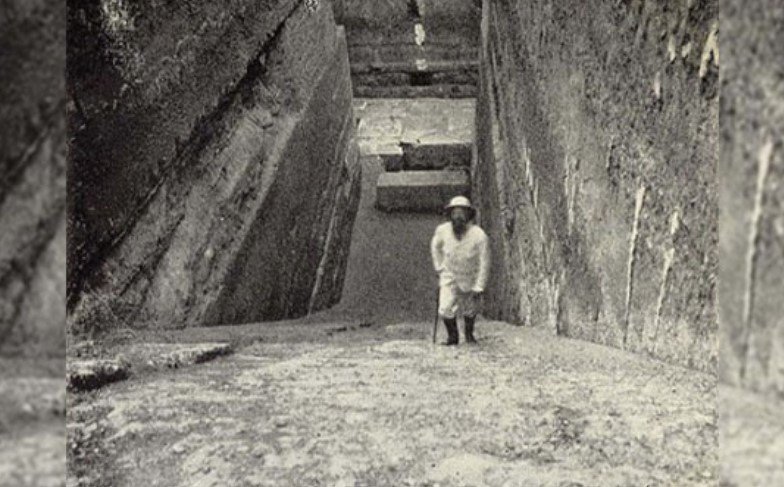
Alongside Maspero, various European specialists involved in excavations and restorations worked in Egypt. Among them stood out the Italian architect and archaeologist Alessandro Barsanti, who developed a large part of his career in the country.
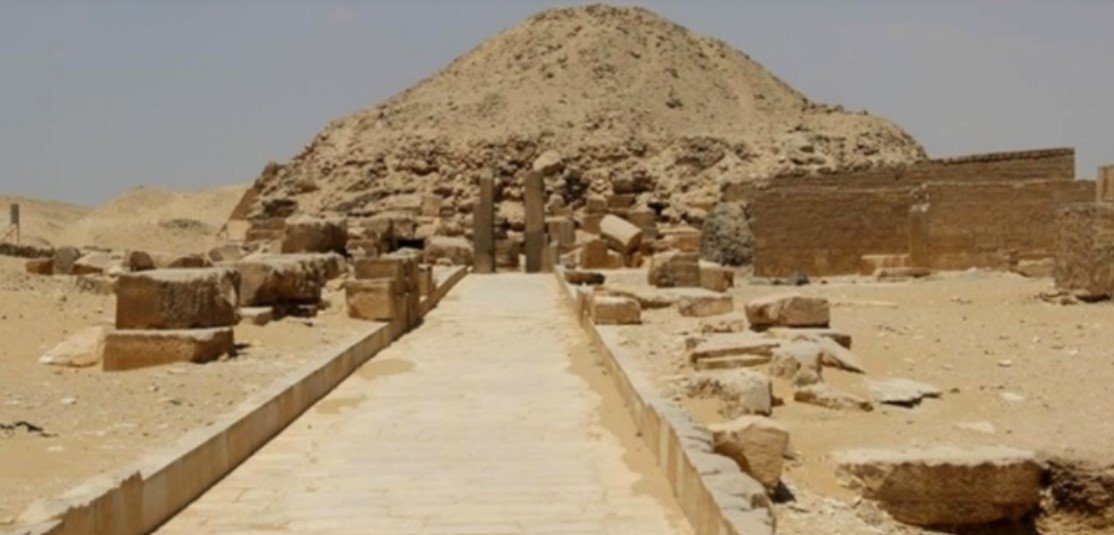
Barsanti participated in excavations at major sites such as Saqqara and Heliopolis and carried out important restoration work on emblematic monuments such as the pyramid of Unas and the complex of the Step Pyramid of Djoser.
His work was especially relevant in the structural consolidation and architectural documentation of these complexes, contributing to their study and preservation for future generations.
Saqqara and Objects from the Funerary World
The archaeological campaigns of the late 19th century made it possible to recover a vast number of objects from funerary contexts. Among them stand out the ushebtis, small statuettes placed in tombs to accompany the deceased in the Afterlife.
According to the beliefs of ancient Egypt, these figures were expected to respond magically in place of the deceased when he was required to perform work in the fields of Osiris. For this reason, many tombs contained dozens or even hundreds of ushebtis.
The Ushebti of General Padj-Horem-Hab
An interesting example of this type of object is the ushebti belonging to the general Padj-Horem-Hab, dated to the Late Period of ancient Egypt (dynasties XXVI–XXVII, approximately between 664 and 525 BC)
The figure is made of light blue glazed faience and decorated with hieroglyphs in a darker blue. It represents the deceased in mummiform shape, with a tripartite wig and the hands crossed over the chest holding the symbolic agricultural tools characteristic of these funerary statuettes.

A vertical hieroglyphic inscription identifies the individual as “Padj-Horem-Hab, general, son of Bastet-herti”, providing direct information about the original owner of the piece.
Excavations near the Pyramid of Unas
This ushebti comes from excavations carried out around 1890 near the pyramid of the pharaoh Unas, in the necropolis of Saqqara, within the context of the archaeological campaigns promoted during the period when Gaston Maspero directed the Egyptian Antiquities Service.
The piece was restored by Alessandro Barsanti at the end of the 19th century, reflecting the fundamental role these specialists played not only in excavating sites but also in the material preservation of archaeological discoveries.
Small Figures, Great Stories
Beyond their artistic value, ushebtis constitute direct testimony to the funerary beliefs of ancient Egypt and to the importance given to life after death.
The history of pieces such as this one also reflects the history of Egyptology itself. From their discovery in the archaeological campaigns of the late 19th century to their study in specialized collections and galleries, these objects continue to provide information about the society, religion and funerary practices of ancient Egypt.
Note on the Piece
The ushebti of the general Padj-Horem-Hab preserved at Ifergan Gallery constitutes a representative example of funerary productions from the Egyptian Late Period and a direct testimony to the archaeological context of Saqqara in which it was discovered at the end of the 19th century.
For further information about the piece, its complete catalogue entry can be consulted on our website.