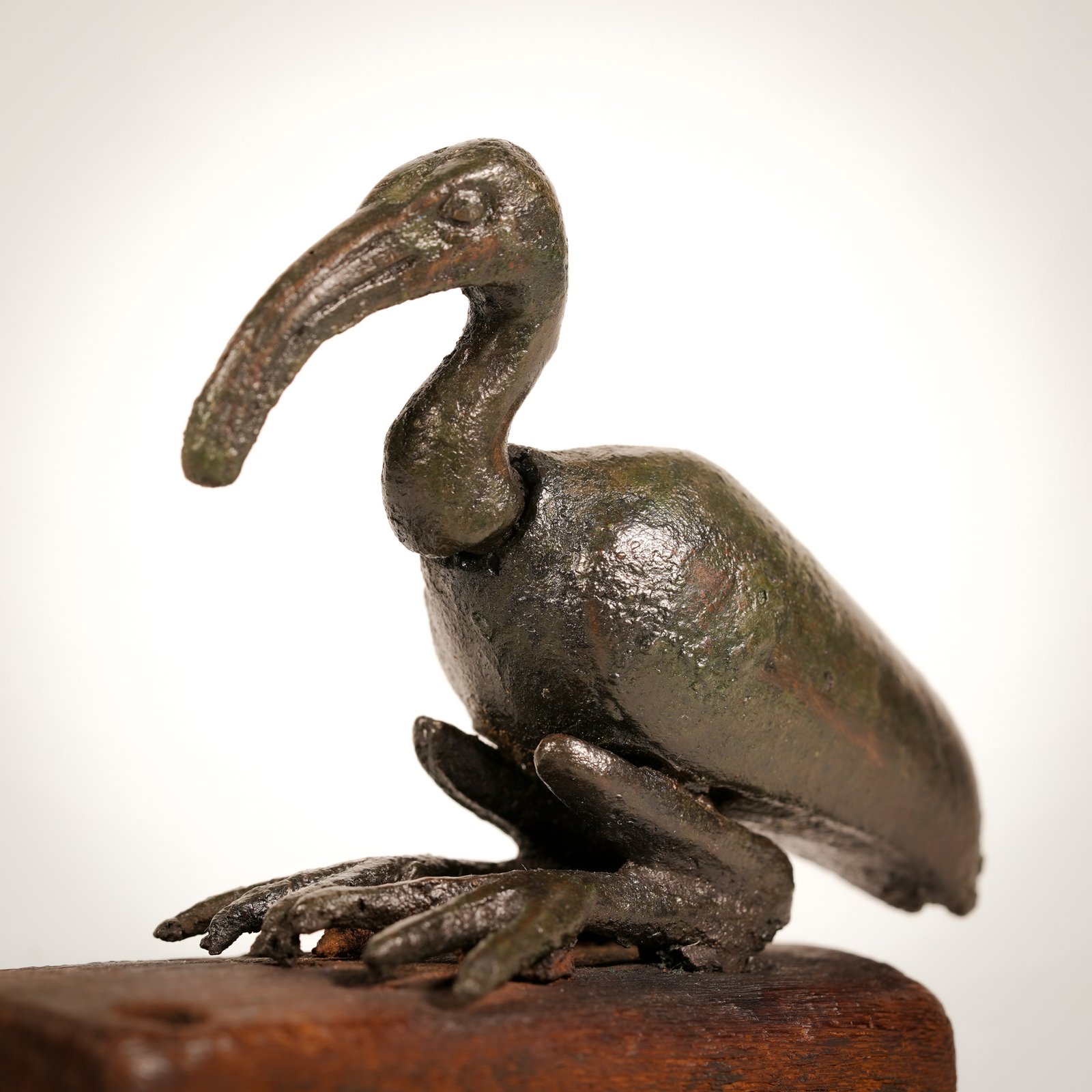
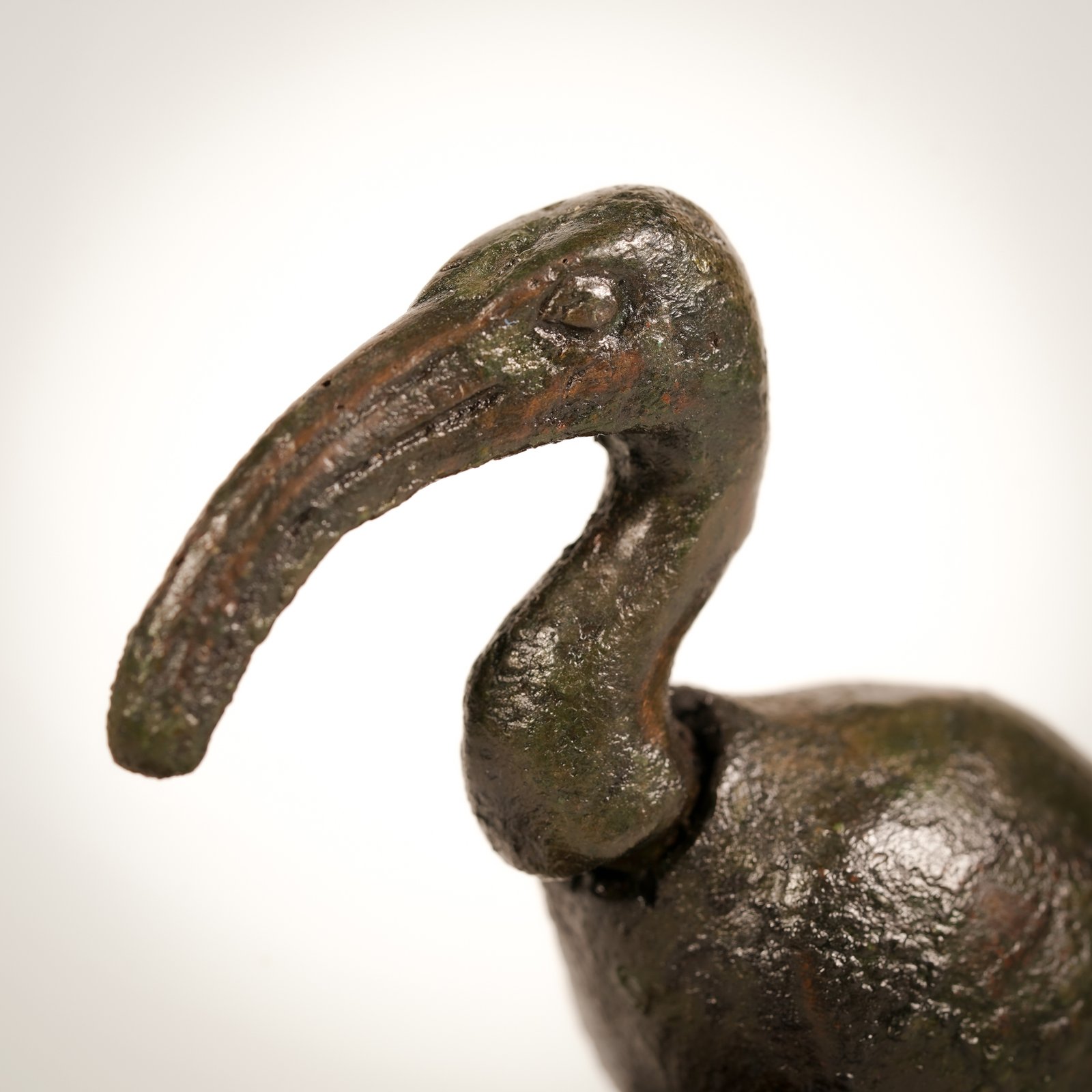
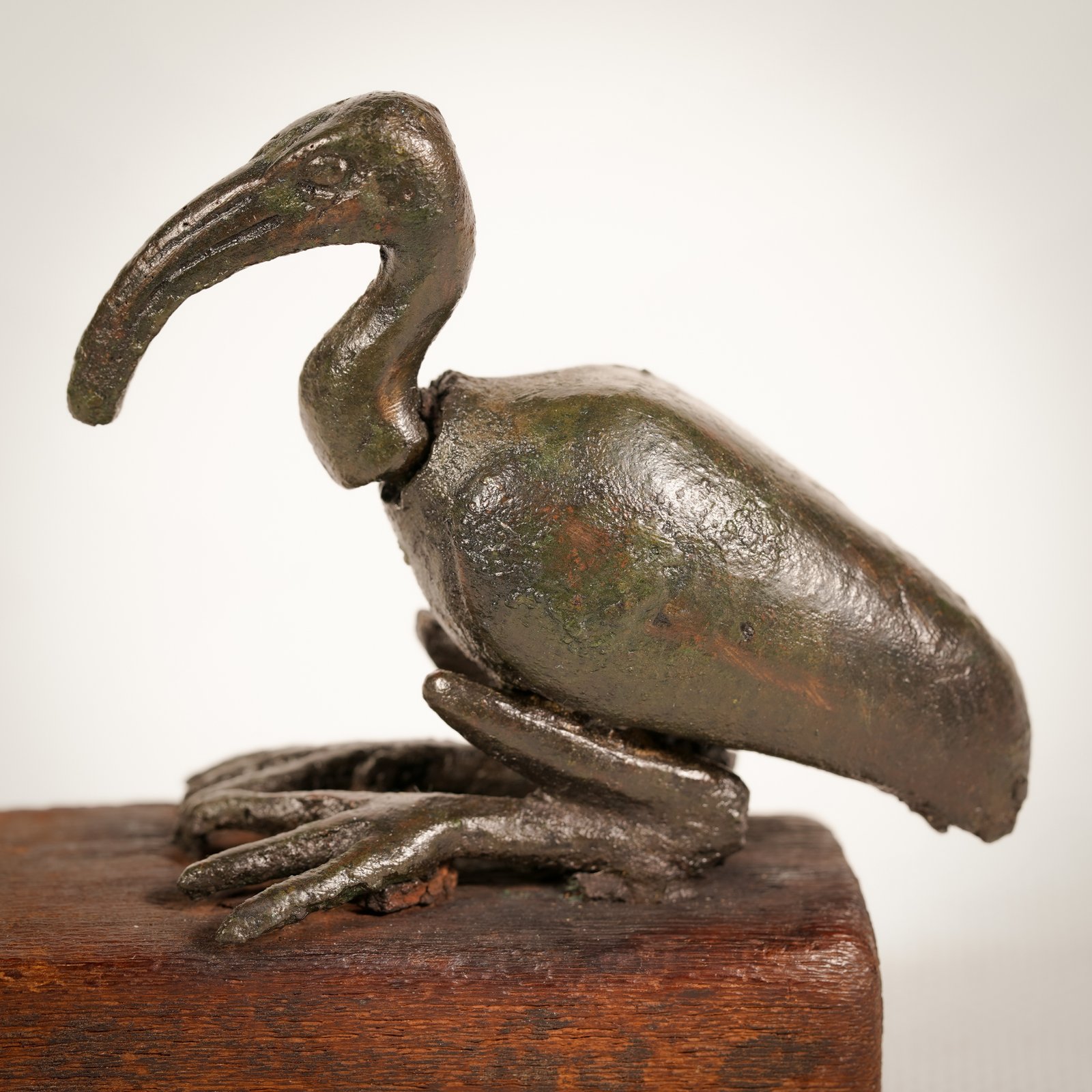
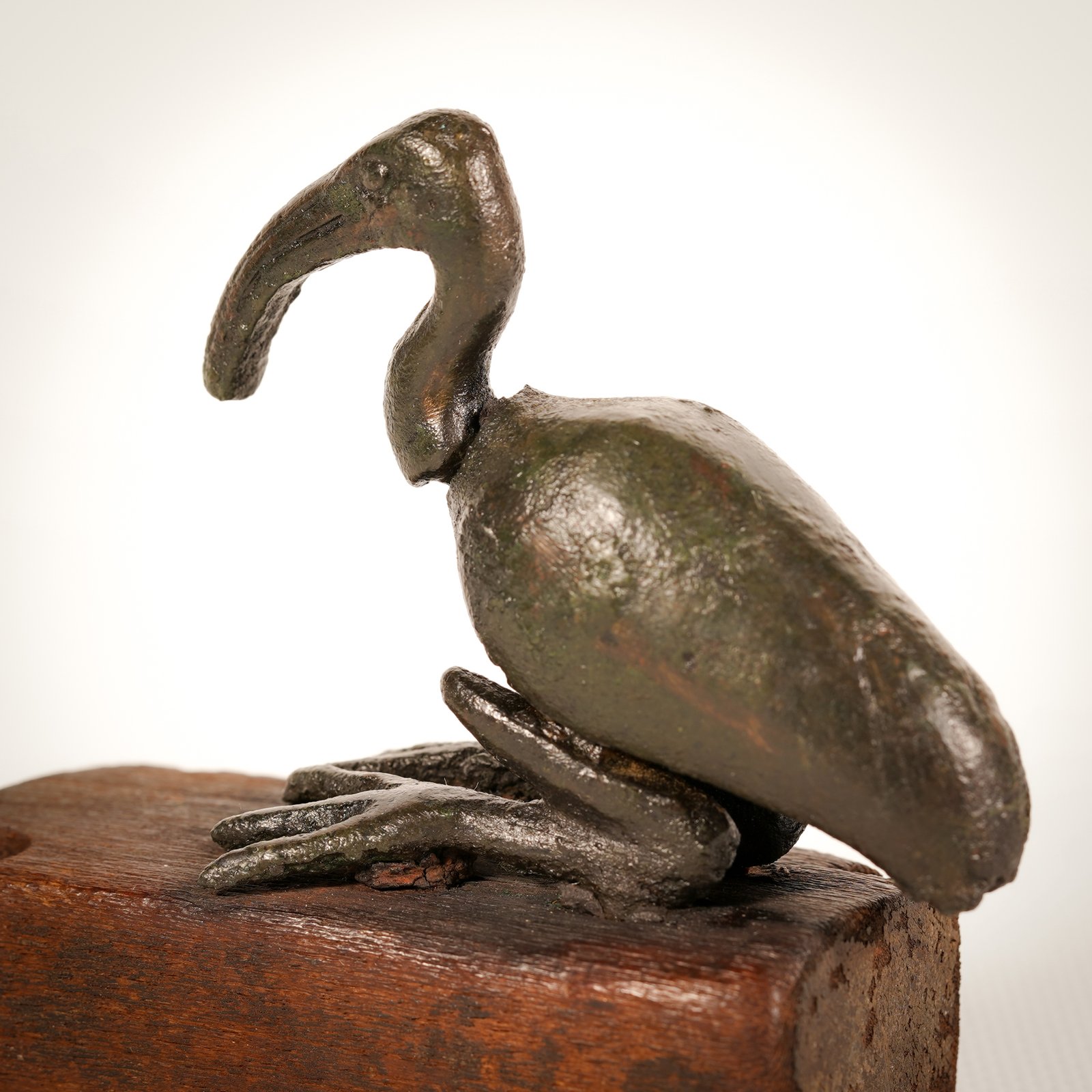
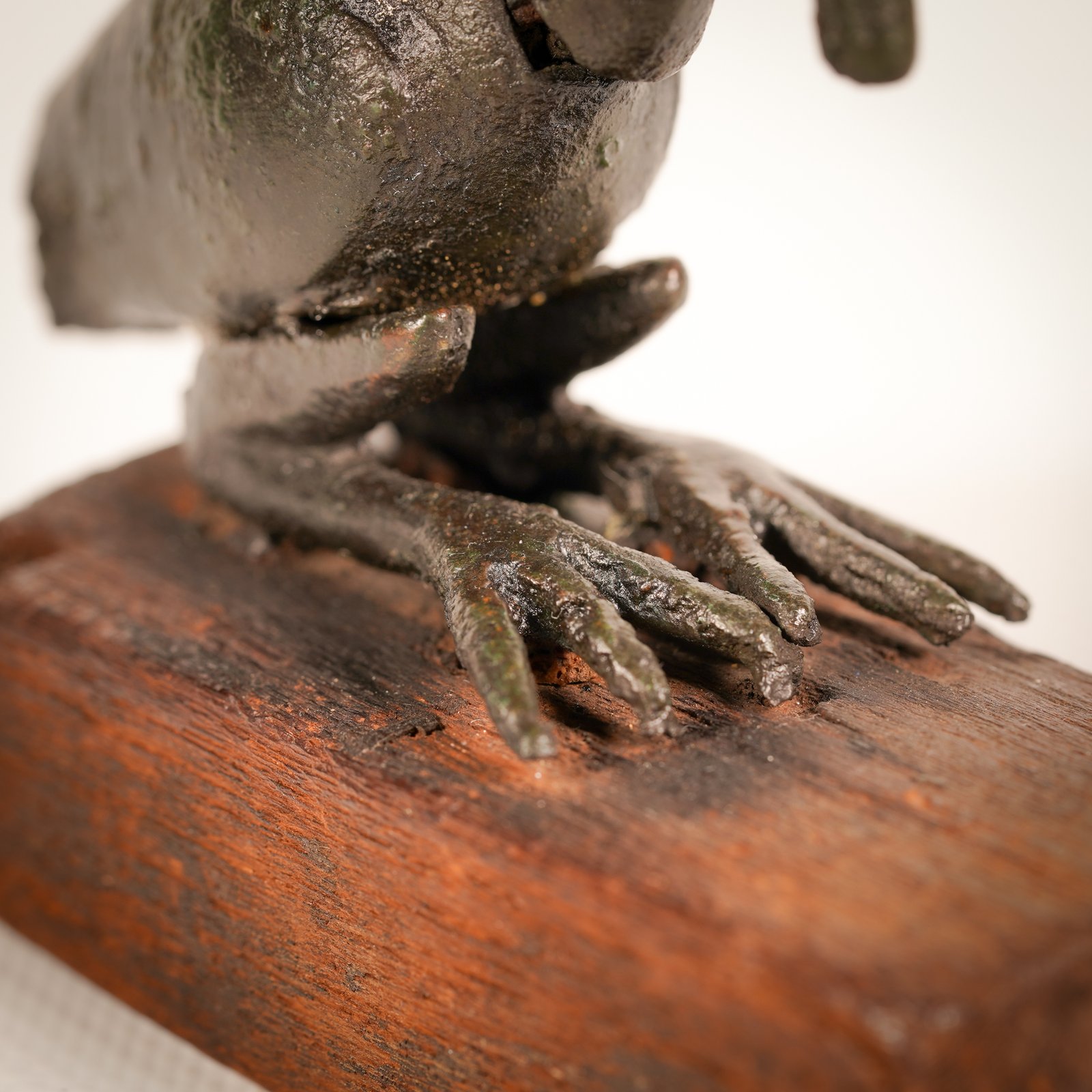
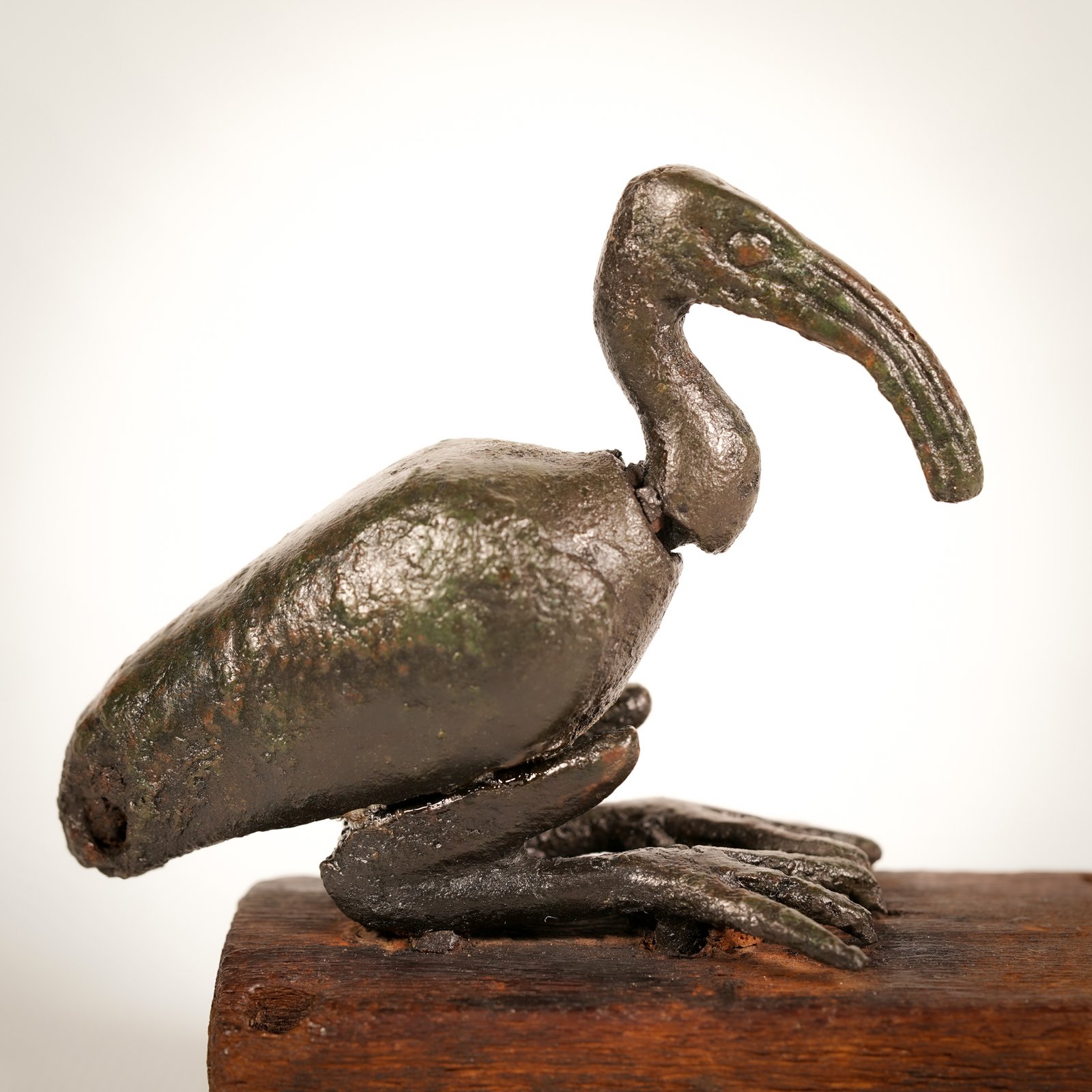
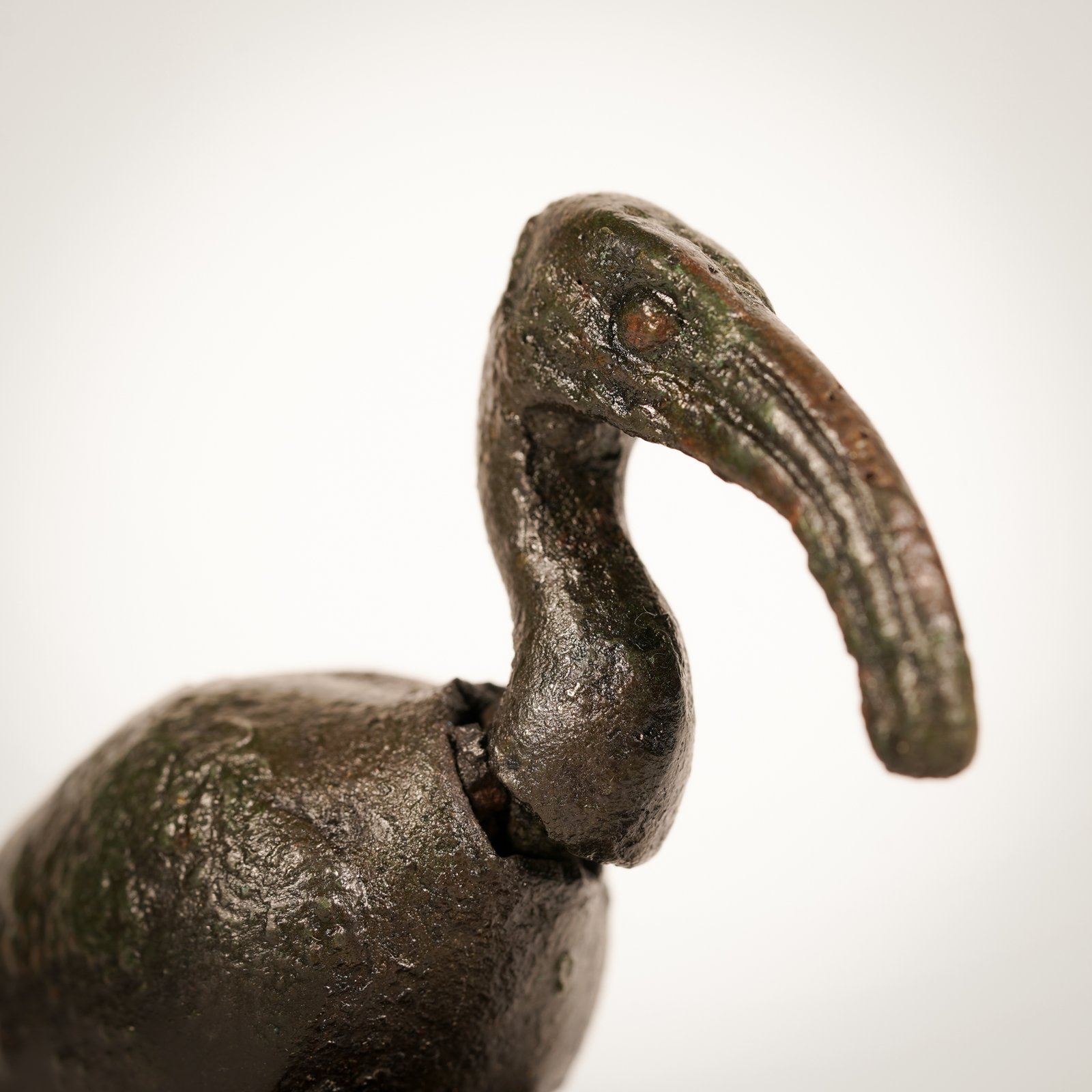
Ibis birds were considered sacred in Ancient Egypt, as they were associated with the god Thoth, the god who was the peacemaker in the conflicts between Horus and Seth and the healer of Horus’ eye. They were also associated with one of the elements of the human being, the Akh, which is like the light of the body, represented by this bird.
The ibis was an object of religious veneration in ancient Egypt and was associated with the deity Djehuty—which means “He who is like the ibis”—also called Thoth in Greek. He is responsible for wisdom, knowledge, writing, mathematics, measurement, and time, as well as the moon and magic. He was one of the three most important deities in the Egyptian pantheon, as his worship extended from the Pre-Dynastic period (6000-3150 BC) to the Ptolemaic period (323-30 BC).
Thoth was responsible for promulgating the decisions of the gods, recording them in writing, and ensuring that they were carried out. As guardian of the gods’ records, Thoth kept track of the days of human beings. He was vested with numerous responsibilities in the administration of the world, such as when he intervened alongside Osiris and Anubis in the Hall of Truth as the scribe who kept account of the life of the deceased’s soul and recorded the result of the weighing of the heart against the feather of truth. In the complex iconography of the judgment of Osiris, although the figure of Thoth appears on multiple occasions as the one in charge of verifying the verdict, the manipulation of the scales is always in the hands of Anubis.